Polycystic ovarian disease affects approximately 1 in 5 women of reproductive age in India — and dietary advice available online ranges from genuinely useful to actively harmful. This article covers what the clinical evidence actually supports, and what it doesn’t.
What Is PCOD, Clinically?
PCOD (Polycystic Ovarian Disease) and PCOS (Polycystic Ovarian Syndrome) are terms often used interchangeably, though they differ slightly in clinical definition. Both are characterised by excess androgen production, irregular or absent ovulation, and polycystic ovaries on ultrasound.
The core metabolic driver in most — though not all — cases is insulin resistance. When cells become resistant to insulin, the pancreas compensates by producing more. Elevated insulin directly stimulates the ovaries to produce excess testosterone, which disrupts follicle maturation, prevents ovulation, and drives many of the symptoms: irregular cycles, acne, hair thinning, and weight gain particularly around the abdomen.
This is why PCOD is not primarily a reproductive disorder — it is a metabolic disorder with reproductive consequences. And it is why diet is not a complementary measure; it is a primary intervention.
What Diet Strategies Have Clinical Evidence?
1. Low Glycaemic Index (GI) Eating
Reducing the glycaemic load of the diet lowers post-meal insulin spikes — directly addressing the primary driver of excess androgen production. This does not mean eliminating carbohydrates; it means choosing carbohydrates that enter the bloodstream more slowly.
High-GI foods to reduce: white rice in large portions, white bread, refined flour products (maida), sugary beverages, fruit juice, processed snacks.
Lower-GI alternatives: oats, barley, millets (ragi, jowar, bajra), lentils, legumes, whole fruit (not juice), non-starchy vegetables.
Important nuance: Combining carbohydrates with protein, fat, or fibre at every meal reduces glycaemic impact regardless of the individual food’s GI value. Dal-chawal eaten together has a lower glycaemic effect than chawal eaten alone.
2. Adequate Protein
Higher protein intake — approximately 1.2–1.4 g/kg body weight in PCOD — supports weight management (via satiety), reduces glycaemic response when eaten with carbohydrates, and helps preserve lean muscle mass during weight loss.
Protein sources for vegetarian diets: dal, rajma, chhole, paneer, tofu, dahi, eggs. Distributed across meals rather than concentrated in dinner.
3. Anti-Inflammatory Dietary Pattern
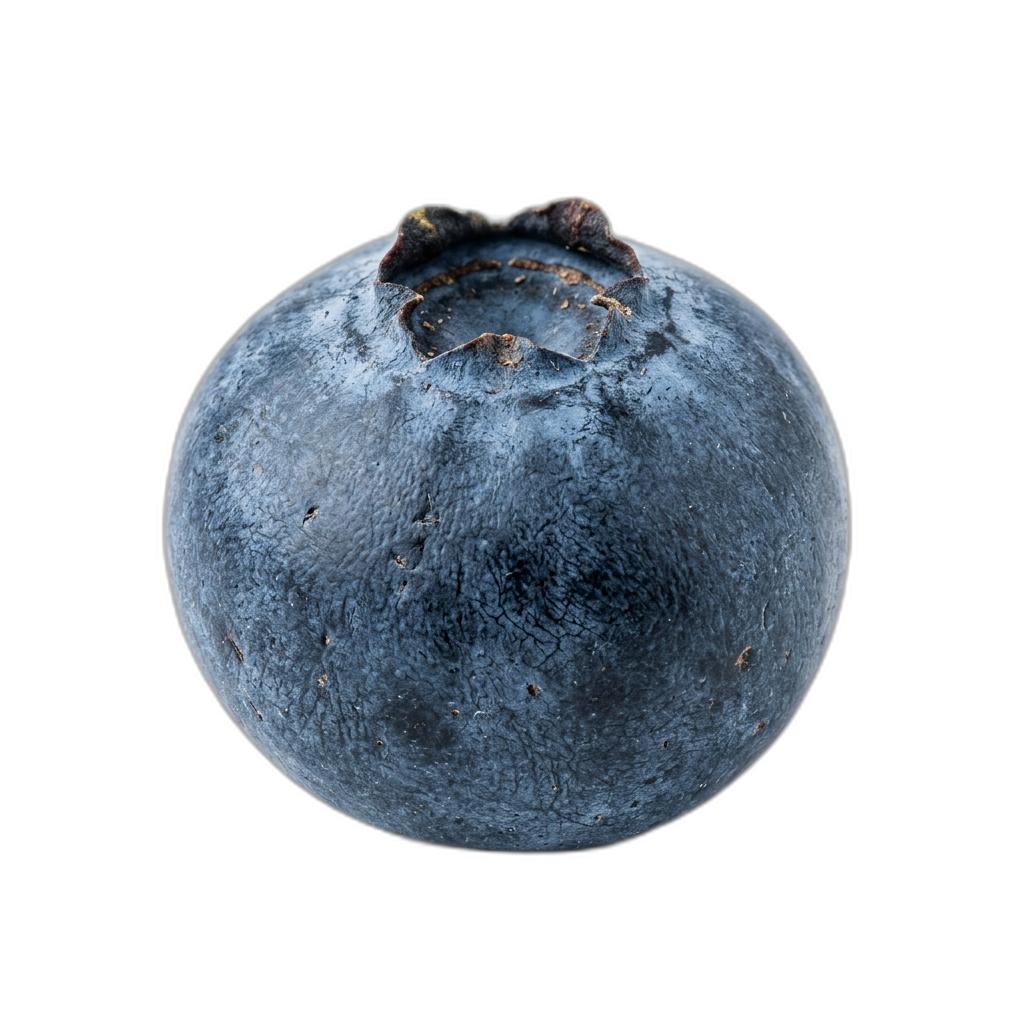
PCOD is associated with low-grade chronic inflammation. Dietary patterns that reduce inflammatory markers include: increased intake of omega-3 fatty acids (walnuts, flaxseeds, chia seeds, oily fish), polyphenol-rich foods (colourful vegetables, berries, green tea, turmeric), and reduced ultra-processed food, refined sugar, and trans fat intake.
4. Inositol-Rich Foods
Myo-inositol and D-chiro-inositol have the most robust evidence base among micronutrients in PCOD management — they improve insulin sensitivity, reduce androgen levels, and in several trials improve ovulation rate and menstrual regularity. Food sources include: legumes (chickpeas, lentils), wholegrains, citrus fruits, nuts. Supplementation (2–4 g/day myo-inositol) is evidence-supported and increasingly included in clinical PCOD management.
5. Weight Management (Where Applicable)
Even modest weight loss — 5–10% of body weight in overweight women with PCOD — can significantly improve hormonal parameters, restore ovulation, and reduce cardiovascular risk. However, severe caloric restriction is counterproductive: it increases cortisol, which worsens insulin resistance and disrupts the hypothalamic-pituitary-ovarian axis further. Sustainable caloric deficit (300–400 kcal/day below requirement) with adequate protein is the evidence-based approach.
Not all women with PCOD are overweight — normal-weight PCOD is common and requires the same dietary strategies without caloric restriction.
What Doesn’t Work (Despite Social Media Claims)
Raw vegetable juice fasts: No evidence for benefit in PCOD; creates caloric deficit and micronutrient imbalance; eliminates protein intake entirely for the duration.
Eliminating all dairy: No consistent evidence that dairy worsens PCOD in the absence of diagnosed intolerance. Dairy is a significant calcium and protein source — removing it without clinical basis creates new deficiencies.
Removing all carbohydrates: Very-low-carbohydrate diets are difficult to sustain, reduce dietary fibre (important for gut microbiome and oestrogen metabolism), and are often replaced by high saturated fat intake in Indian dietary patterns.
Generic “detox” programs: No physiological mechanism for the claimed benefits; often involve significant caloric restriction with inadequate protein.
How Long Does It Take?
Dietary changes that improve insulin resistance typically show measurable effects on androgens and menstrual regularity within 3–6 months of consistent adherence. This is not immediate — but it is real, reversible, and cumulative. Women who maintain these dietary patterns often continue to see improvements beyond the initial intervention period.
This article is for informational purposes. If you have PCOD and would like a personalised diet plan, book a free 15-minute discovery call with Dt. Disha Dey.