Managing blood sugar through diet is not about avoiding all carbohydrates — it is about understanding which foods raise glucose rapidly, which raise it slowly, and how meal composition can blunt glucose responses entirely. This is the clinical framework.
The Glycaemic Index Is a Starting Point, Not the Full Picture
The glycaemic index (GI) ranks carbohydrate-containing foods by how quickly they raise blood glucose compared to pure glucose (GI = 100). High-GI foods (≥70) cause rapid spikes; low-GI foods (≤55) cause slower, more sustained rises.
However, GI is measured for foods eaten in isolation. The glycaemic load (GL) — which accounts for portion size — and the mixed meal effect — which accounts for protein, fat, and fibre consumed at the same time — are far more clinically relevant for daily eating decisions.
Practically: a meal of white rice eaten with dal, sabji, and dahi produces a substantially lower glucose response than the same amount of white rice eaten plain, because protein, fibre, and fat from the accompaniments slow gastric emptying and glucose absorption. This is why blanket rice prohibition in Indian diabetic diets is often counterproductive — it eliminates a staple food while missing the more important variable, which is meal composition.
High-Priority Foods to Reduce
Refined Grains and Ultra-Processed Starches
White rice in large portions (>200g cooked per meal), maida-based breads (white bread, naan, paratha made with refined flour), biscuits, bakery products, and instant cereals all cause rapid glucose elevation. These are genuinely high-priority targets for reduction — not because rice or wheat is inherently harmful, but because the refined versions have had their fibre and micronutrients removed, eliminating the natural blood-sugar modulating mechanisms.
Practical substitution: Replace 50% of white rice with ragi, oats, or barley. Switch to whole wheat rotis (2–3 per meal, not unlimited). Choose high-fibre cereals over refined cornflakes or puffed rice.
Sugary Beverages
Fruit juice, cold drinks, packaged coconut water with added sugar, flavoured milk drinks, and sweet chai (especially multiple cups/day) are the single highest-impact reduction for blood sugar control in most Indian diabetic diets. Liquid glucose is absorbed almost immediately — without any fibre, protein, or fat to slow the response. A single glass of commercial orange juice can spike blood glucose as much as 3–4 teaspoons of table sugar.
Practical substitution: Plain water, plain chaas (buttermilk), unsweetened nimbu pani, plain green or herbal tea, black coffee without sugar.
High-Sugar Traditional Foods
Mithai, halwa, kheer, ladoo, and festival sweets are concentrated sugar sources. This does not mean permanent elimination — contextualised, occasional consumption with awareness of portion is a sustainable approach. What it does mean is that these cannot be a daily dietary feature for someone with diabetes or pre-diabetes.
Clinical note: Sugar-free variants of mithai often contain significant amounts of refined flour and fat — they are not freely permissible. The glycaemic response to a sugar-free barfi made of maida and condensed milk is not dramatically different from a conventional one.
Excess Fruit (in Specific Forms)
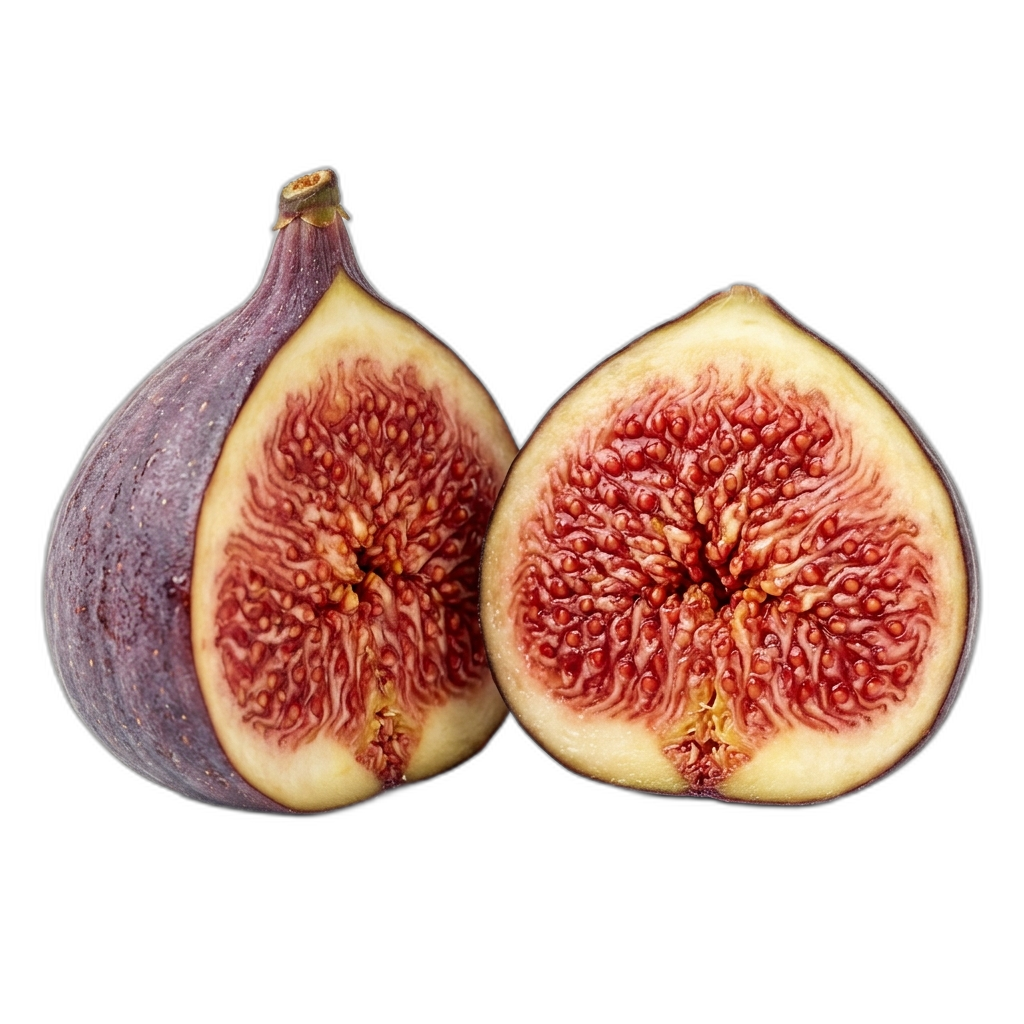
Whole fruit in reasonable portions is generally appropriate in a diabetic diet — its fibre, water content, and micronutrients make it far superior to equivalent amounts of sugar. However, very-high-GI fruits in large quantities (mango, banana, chikoo, jackfruit, litchi) can cause problematic glucose excursions in poorly controlled diabetes. Portion management — not elimination — is the clinical standard.
What to Include More Of
Non-Starchy Vegetables
Leafy greens (spinach, methi, amaranth), bottle gourd, ridge gourd, brinjal, tomatoes, cucumber, cabbage, capsicum, and bitter gourd are very-low-GI, high-fibre, micronutrient-rich foods that improve meal satiety without meaningfully raising blood glucose. Bitter gourd (karela) has some evidence for modest blood sugar-lowering effects through its charantin content.
Legumes and Pulses
Lentils, dal, rajma, chhole, moong, and urad are exceptional diabetic foods — moderate GI, high protein, high fibre, and rich in magnesium and potassium. Research consistently shows that replacing refined starch with legumes improves HbA1c in Type 2 diabetes. The Indian vegetarian diet has a significant advantage in this respect — it is traditionally legume-rich.
High-Fibre Whole Grains
Oats (whole rolled oats, not instant), barley, whole ragi, bajra, and jowar all have substantially lower glycaemic impact than their refined equivalents. Beta-glucan in oats and barley is particularly well-studied for blood glucose management — it forms a viscous gel in the gut that slows glucose absorption.
Protein at Every Meal
Including protein at every eating occasion — eggs, dal, paneer, curd, fish, chicken — attenuates post-meal glucose response. Protein stimulates insulin secretion (which is necessary and appropriate), reduces gastric emptying rate, and reduces total carbohydrate intake when protein foods displace refined starches.
Practical Indian Meal Composition for Blood Sugar Management
A well-structured diabetic meal plate:
- 50% non-starchy vegetables (sabji, salad, soup)
- 25% lean protein (dal, paneer, egg, fish, chicken)
- 25% whole grain carbohydrate (2 small rotis, 1 katori brown rice, or oats)
This composition — rather than blanket carbohydrate restriction — is the evidence-based standard for most Type 2 diabetics who do not require very-low-carbohydrate medical diets.
HbA1c as the Outcome Measure
Dietary changes in Type 2 diabetes are best evaluated through HbA1c — a 3-month average of blood glucose — rather than individual fasting readings, which reflect only overnight glucose and miss post-meal peaks. Sustainable dietary change typically shows HbA1c improvement within 3 months. In many pre-diabetic and early Type 2 cases, dietary intervention alone can normalise HbA1c without medication.
For a personalised diabetes diet plan, book a free 15-minute consultation with Dt. Disha Dey.